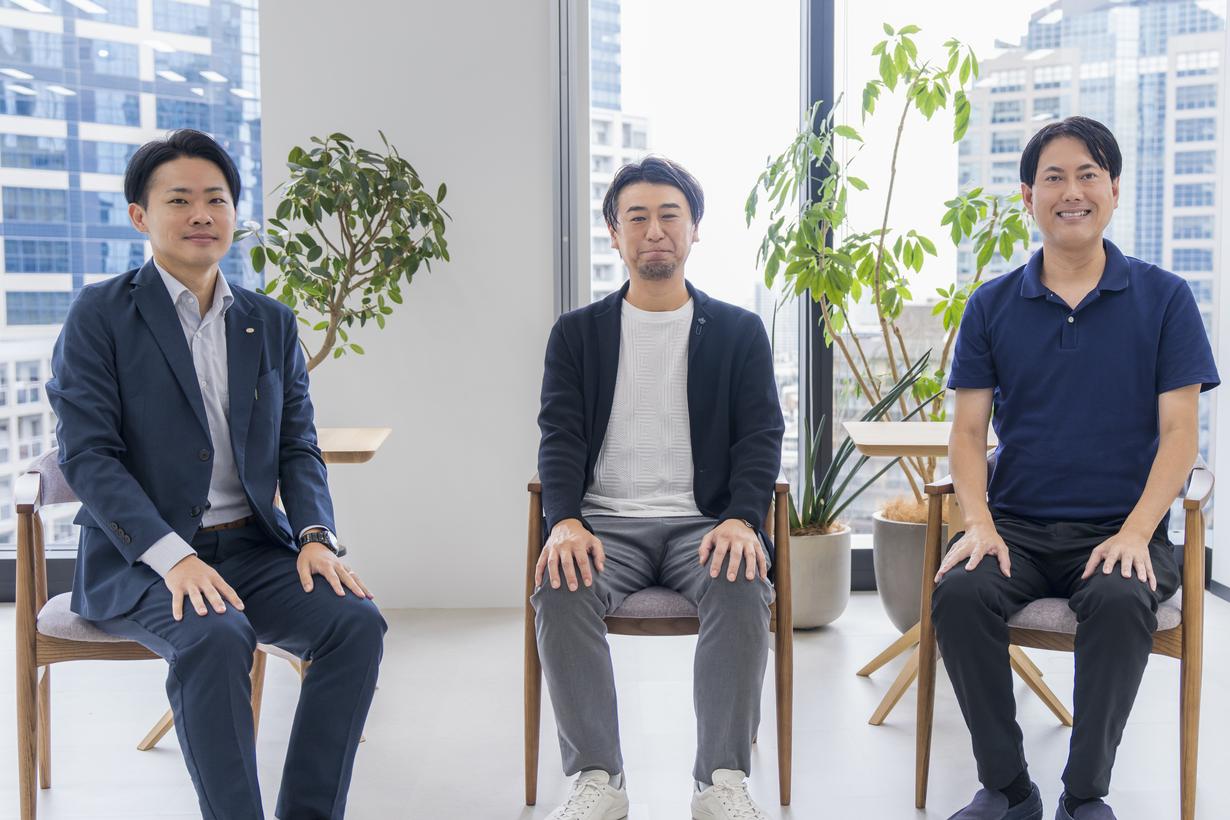

[Special Dialogue] PLAID CGO Kuwano × HIS President Sawada: "Sustainability Through AI & Technology"
"HIS Sustainability Week 2026" was an in-house event held from September 28 to October 9, 2026, aimed at deepening HIS employees' understanding of a sustainable future. We bring you coverage of a special talk session featuring Yuichiro Kuwano, Executive Officer and CGO of PLAID, Inc., who drives data utilization and CX enhancement, alongside Hidetaka Sawada, Representative Director and President of HIS. Under the theme "Sustainability Through AI & Technology," they discussed topics ranging from cutting-edge front-line initiatives to future travel experiences and the possibilities of sustainable working styles.
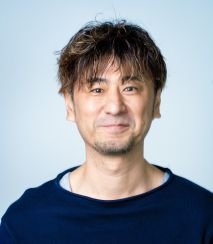
Kuwano Yuichiro
Executive Officer & CGO (Chief Growth Officer), PLAID, Inc.
After establishing the Japanese subsidiary of a foreign IT firm and serving as its Country Manager, he joined PLAID, Inc. As Chief Growth Officer, he drives enterprise business growth and customer experience (CX) enhancement, focusing on leveraging customer data and the platform "KARTE."
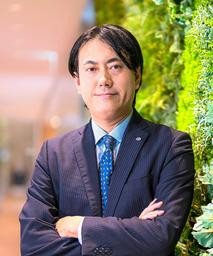
Representative Director and President, H.I.S. Co., Ltd.
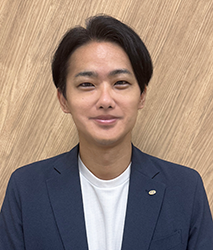
Moderator:Murasugi Yuki Corporate Planning Headquarters, H.I.S. Co., Ltd.
*The content of this article is accurate as of the time of the interview.
Introduction of PLAID and the Position of AI
Murasugi: Today's theme is "Sustainability Through AI & Technology." As our guest, we welcome Mr. Kuwano, Executive Officer and CGO of PLAID, Inc., who has been working with HIS on enhancing customer experience (CX) since 2023.
Kuwano: As a dedicated partner, we help businesses achieve sustainable growth alongside their customers. We provide the CX platform "KARTE" and assist with CX improvement and sales growth by utilizing web, app, and customer service data. We also build dashboards that elevate Employee Experience (EX) to drive CX and revenue.
Sawada: We see AI and technology not merely as defensive tools for cost reduction or operational efficiency. Rather, we regard them as the driving force behind offensive sustainability--evolving CX to deliver exhilarating experiences to customers, and promoting human capital management where front-line employees can work with greater pride and creativity. I look forward to deepening our discussion on this challenge and its future possibilities.
CX Transformation in Travel Through the Fusion of Digital and Physical
Murasugi: Since 2023, PLAID and HIS have conducted demonstration experiments ranging from website personalization to in-store customer service processes, leading to the implementation of "KARTE." This initiative was highlighted as a "Beautiful Fusion of Digital and Physical" at Google's conference in May. Could you introduce this joint effort between PLAID and HIS?
Kuwano: At our annual conference "X DIVE 2025," Mr. Sawada joined us as a speaker to discuss this initiative. Learning that in-store travel consultation at HIS typically took about two hours, we built a framework utilizing AI. Before a customer visits a store, generative AI creates a summary of their activity across the HIS website and app--such as "Browsed Hawaii yesterday, but also searched for hot springs and Europe" or "Planning for about a week starting September 1 with a budget around 200,000 yen"--and passes this information to in-store staff. This has yielded results such as reduced consultation times and improved conversion rates for junior staff.
Furthermore, at X DIVE 2026, we announced an in-store AI trial for HIS retail locations. In this setup, in-store customer conversations are recorded and transcribed in real time, allowing an AI assistant to suggest key follow-up prompts and recommend relevant products on staff terminals. To prevent personal data from being used for AI training, all processing is executed locally on the device (edge processing) without sending conversation data to external servers.
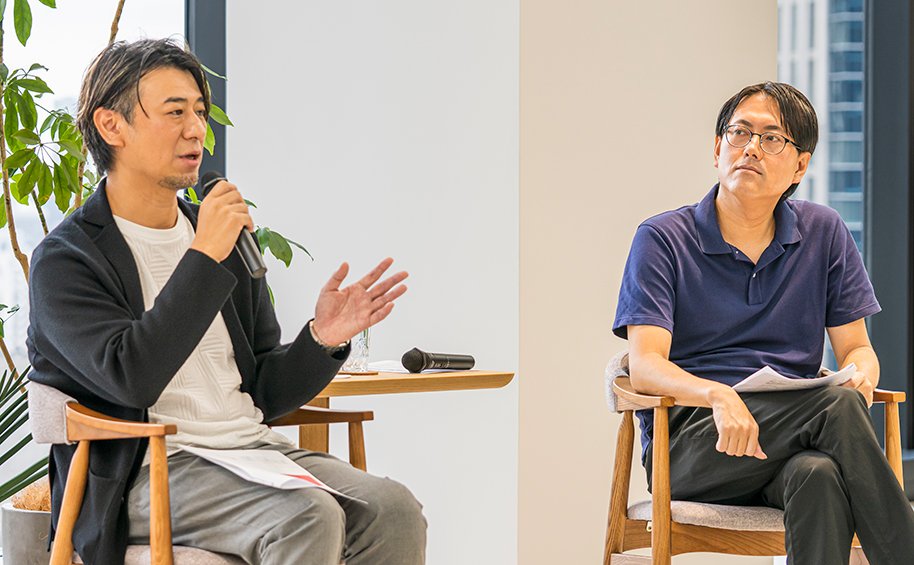
Murasugi: So the initial "KARTE" implementation was a tool to visualize the behavior of customers reserving visits, while this new initiative captures real-time interactions with customers as they converse in person.
Kuwano: While "KARTE" excels at visualizing digital customer experiences, in-store conversations and relationship-building remain overwhelmingly important in real-world operations. We understand that customer behavior is increasingly blended--some gather information on the web or app before booking in-store, while others consult staff in person and complete their purchase online.
Murasugi: Mr. Sawada, what were the challenges with conventional HIS customer service, and what was the decisive factor in introducing this system?
Sawada: If pre-consultation information gathering is done in advance, staff can prepare and plan. This leads to improved proposal capabilities for consultants and enhanced experience value for customers, while streamlining operations to benefit both sides. I believe it is essential to raise consulting capabilities in stores beyond simple information gathering.
Murasugi: Have you heard reports regarding the impact of this new system?
Sawada: First, usability has been enhanced due to higher personalization accuracy on the website. Second, service quality and efficiency have both improved simultaneously. Because staff can view browsing history on the consultation reservation dashboard, we have received feedback that proposals are more tailored and efficient than starting from scratch. As a result, the conversion rate for users who make consultation reservations increased by 5 percentage points compared to before implementation.
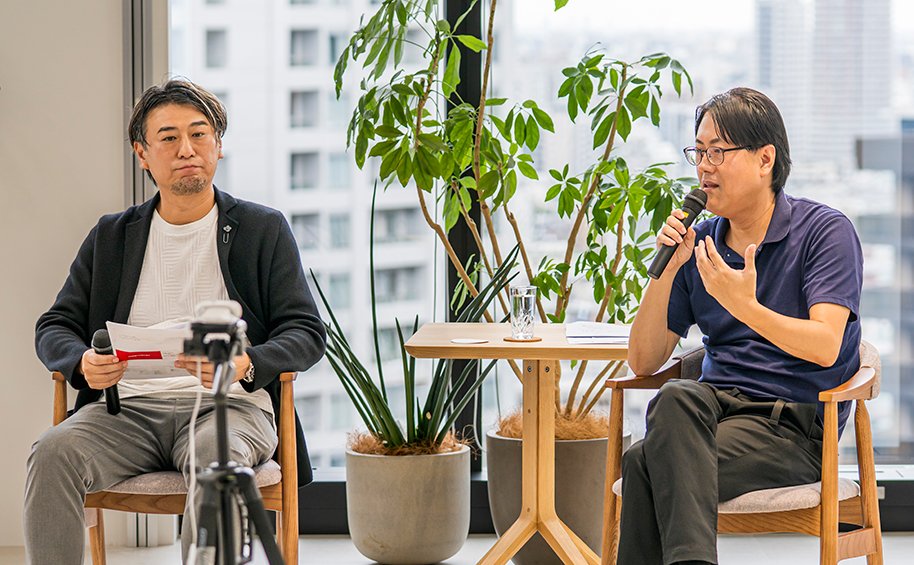
Murasugi: While the voice interaction demonstration is currently in the testing phase, what results do you expect once it is rolled out across all stores?
Kuwano: Personalization--such as understanding why a customer is planning that specific trip and building relationships--is essential beyond routine confirmation tasks. By streamlining verification tasks with AI and technology, staff can focus on human-to-human connection.
Sawada: By leveraging CRM (Customer Relationship Management) to personalize online interactions and capture opportunities beyond latent demands, I believe both conversion rates and experience value will rise even further.
Kuwano: Even for a summer family trip to Okinawa, travel motives can vary widely--from ocean leisure and stargazing, to nature observation with children. By digging deeper into the specific experiences guests seek, we can provide unforgettable experiences.
While conventional web and app interactions were based on demographic data (age, gender, etc.), we are currently advancing a project that extracts and leverages customer context (background and situational needs) for operational use. For example, even within a single family trip, multiple contextual factors and psychological drivers coexist: a mother who wants a hassle-free, restful trip; a father who is conscious of expenses; or the fact that this is the oldest son's last summer vacation before starting elementary school. In addition to traditional search filters, by incorporating features like recommended videos tailored to the family's context, we are working together on ideas such as an intuitive trip-discovery experience, personalized invitation emails, AI-generated itineraries, and album creation.
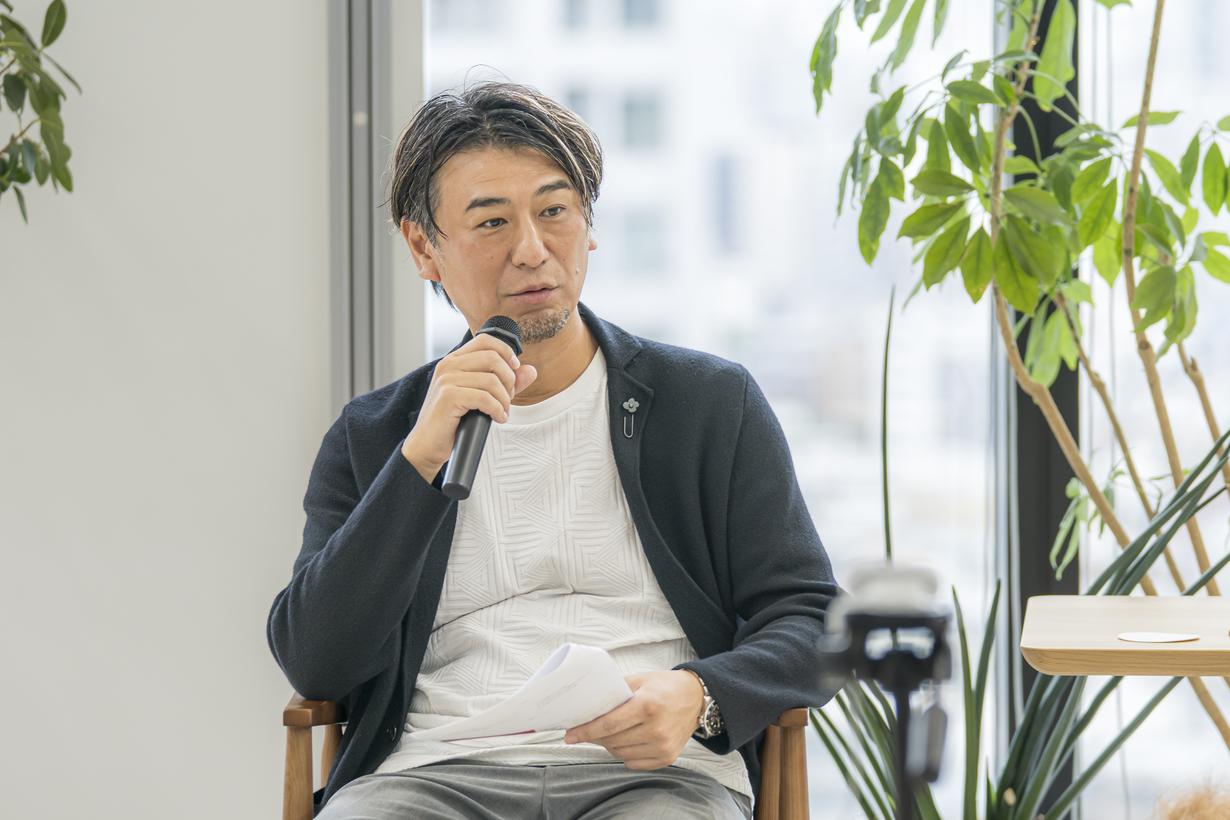
Workforce Sustainability Driven by AI and Technology
Murasugi: We've seen great business results from adopting AI, including a roughly 5-percentage-point increase in our in-store conversion rate. Beyond the financial impact, though, how do you see this contributing to workforce sustainability, Mr. Sawada?
Sawada: For example, if a task that once took 10 hours can now be completed in just one using AI and automation systems, employees can dedicate the remaining 9 hours to the creative work they genuinely want to pursue. This also opens up real possibilities for new work styles, such as a three- or four-day workweek. Furthermore, as routine tasks decrease and society gains more discretionary time, people will have more opportunities to travel, which we anticipate will bring a very bright future to the entire tourism industry. That is precisely why it is crucial to delegate routine work to systems, allowing humans to focus on more creative endeavors.
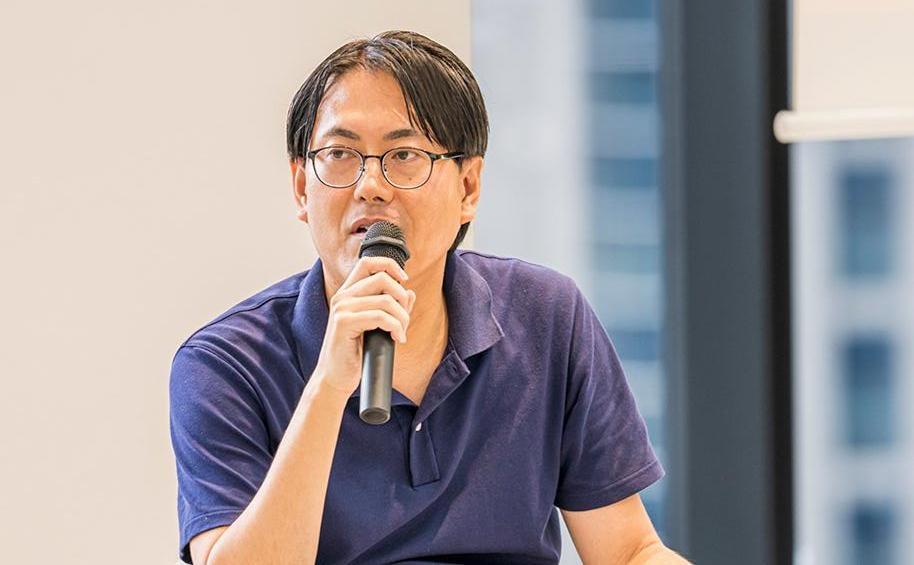
Kuwano: Beyond operational efficiency, utilizing AI and technology to capture the deeper psychology and emotions of customers who choose HIS is key. Delivering exceptional service and personalized recommendations tailored to these insights creates a distinct competitive advantage that others cannot easily replicate.
Sawada: Today's AI utilization is at the stage of knowledge expansion and Q&A tools, but in the future, it will further evolve into a phase where instructions are combined to execute complex tasks and actions autonomously. Maintaining a proactive attitude to dive into this wave of massive change is extremely important.
Kuwano: Our mission is to "maximize human value through data." By utilizing data to unleash human creativity, we aim to help people truly enjoy their work while elevating customer experiences. I feel our core mission is to leverage AI effectively, creating an environment where human potential is fully realized.
The Future of HIS and Its Sustainability Forged by AI & Technology
Murasugi: HIS has established its purpose "Unleash Your Feelings" and the slogan "BEYOND" in its medium-term management plan. Could you share your thoughts on HIS's approach to sustainability and vision for the future?
Sawada: I believe AI and technology hold the key to corporate sustainability--ensuring continuity and longevity. Accumulating and utilizing HIS's proprietary data to build unique AI business models with startup-like agility and speed directly drives the company's sustainable growth. Additionally, AI and data can be leveraged to proactively forecast and mitigate risks such as climate change and natural disasters. To rapidly advance these initiatives, we recently established the "AI Innovation Division" within the company.
Kuwano: With today's rapid technological change, adopting an approach of testing ideas quickly and iterating rapidly is indispensable. Rather than simply packaging and selling conventional travel products, it is vital to start creating new value that integrates uniquely human creativity.
Sawada: In utilizing AI, it is equally important to focus on governance--ensuring that our people approach their work with strong ethics and humanity--while strengthening defenses against the misuse of AI. We aim to create exceptional experiential value that meets our customers' latent needs, along with creative AI-driven products and services.
Murasugi: Hearing how AI and technology will brighten the future of the travel industry and greatly expand possibilities for new working styles truly excites me. Thank you both very much for your time today.