

[Special Dialogue] SATOYUME CEO × HIS Board Director : "Sustainable Community Development" and New Shapes of Travel
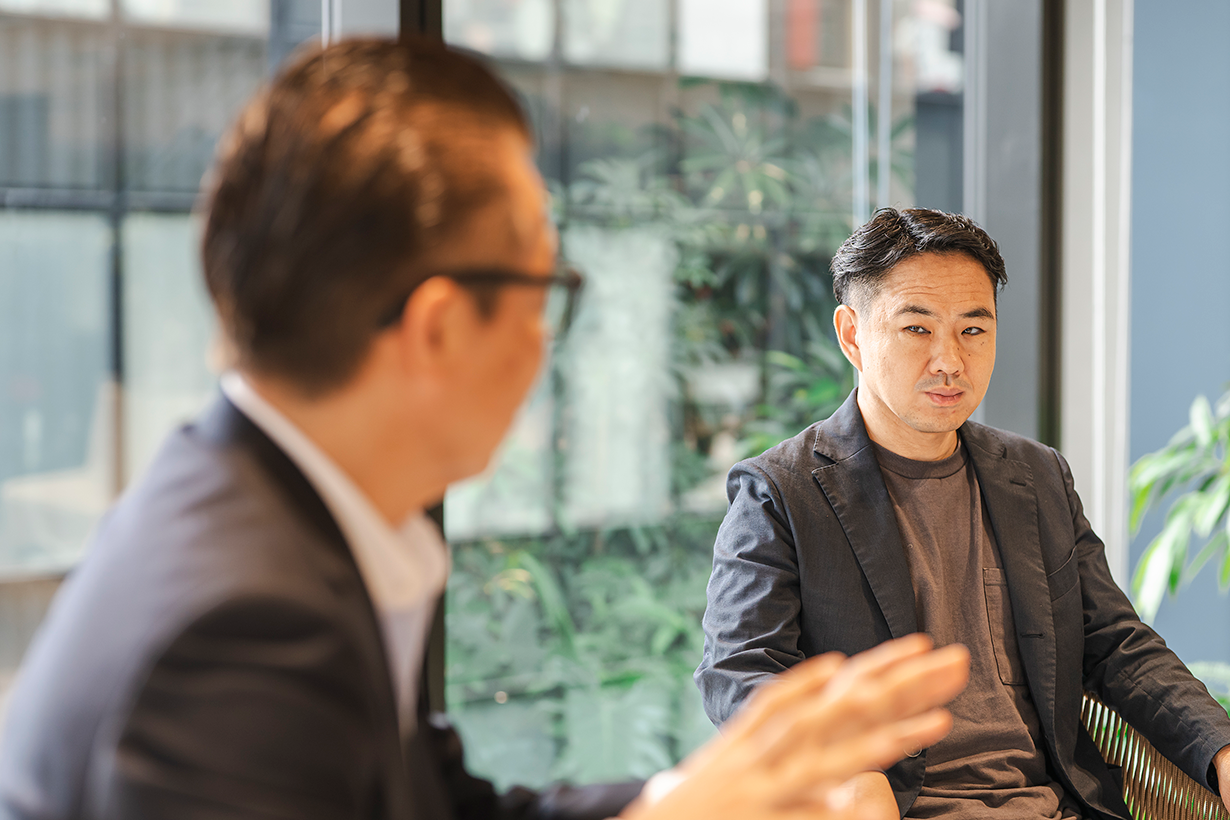
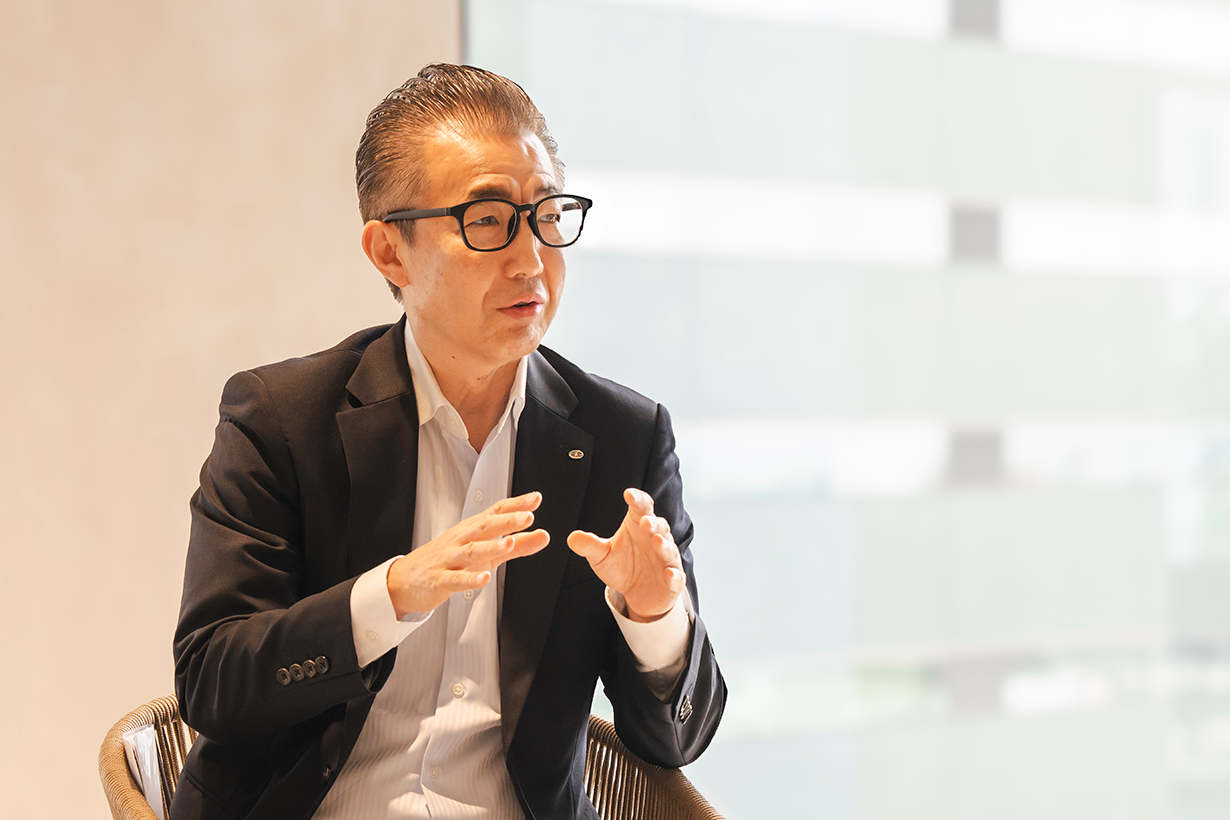
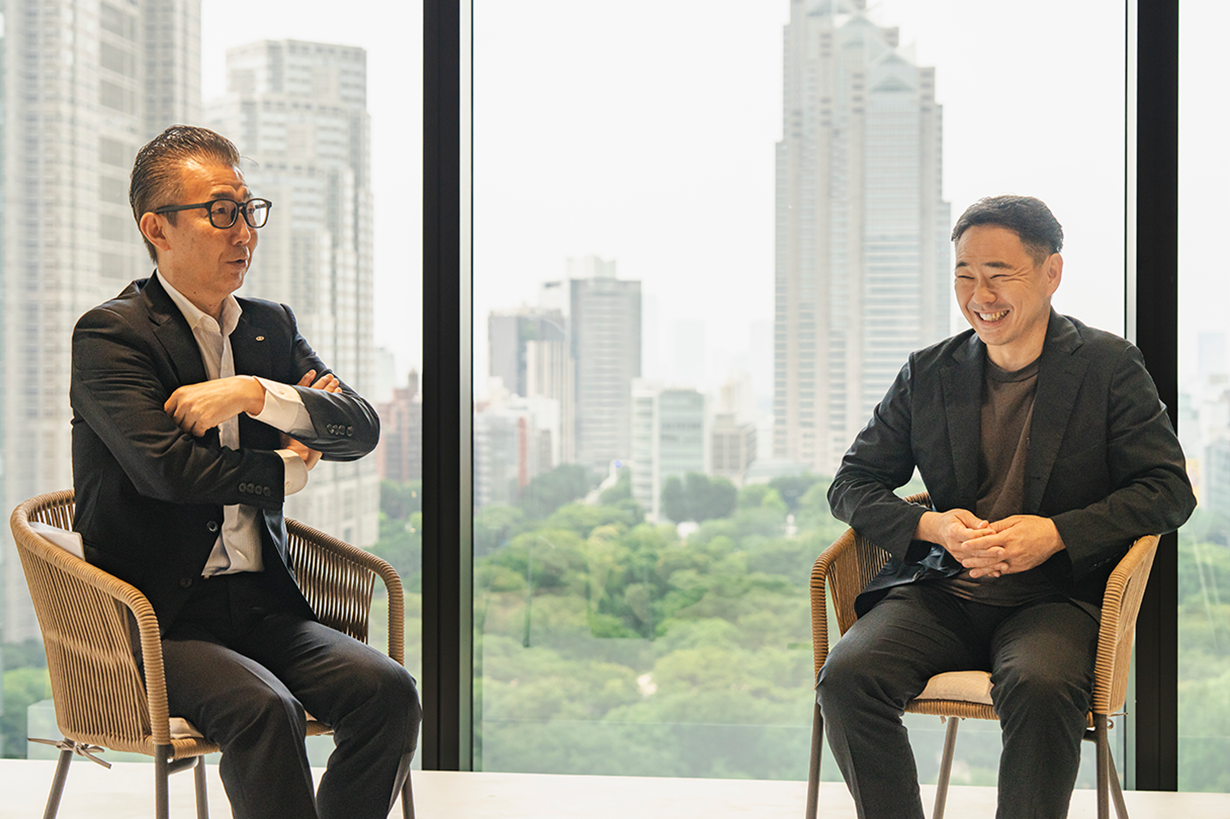
Since 2024, HIS has been partnering with SATOYUME--a consulting firm specializing in regional revitalization--on the "Destination Create Project" to build exciting new travel destinations. For this special dialogue, we welcomed SATOYUME CEO Mr. Shimada to sit down with HIS Board Director Mr. Yamanobe to discuss the theme of "Sustainable Community Development."
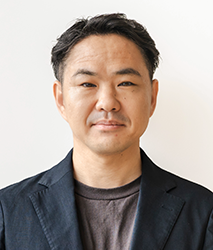
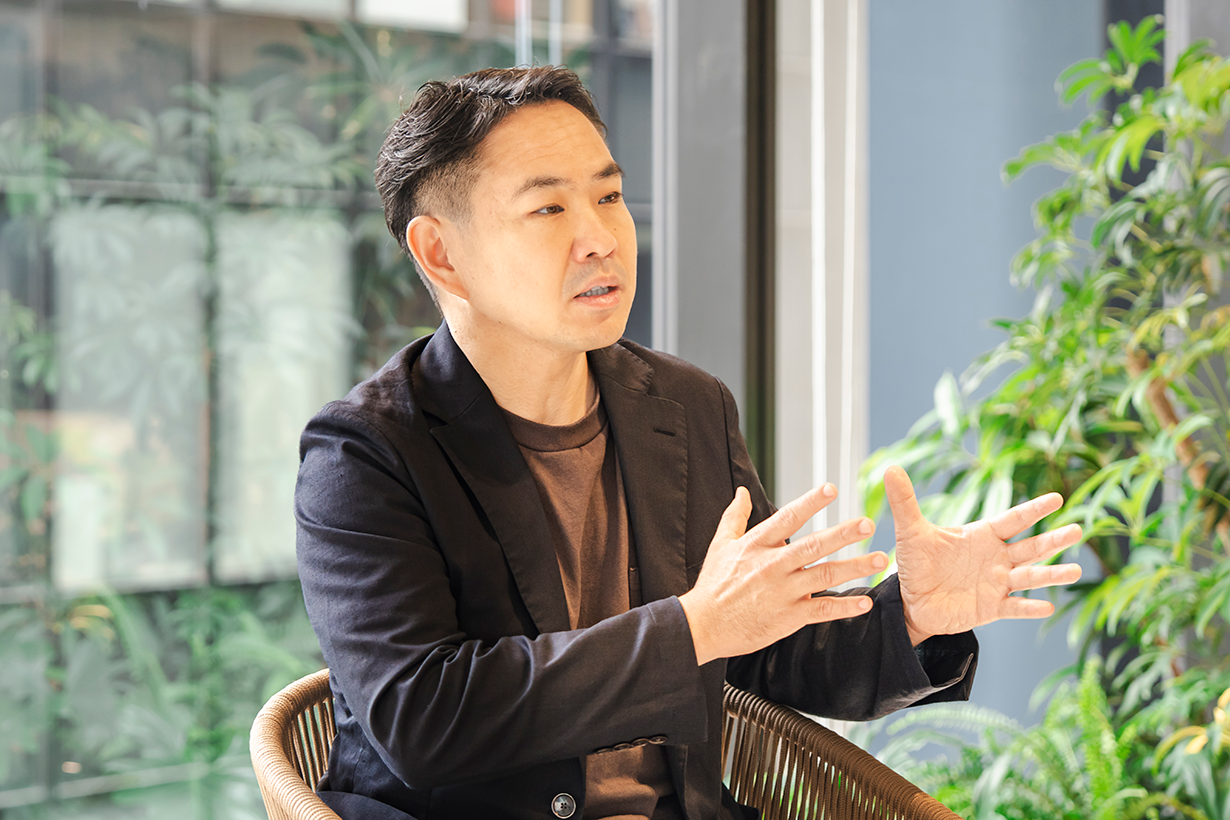
Shimada Shumpei
SATOYUME CO., LTD. CEO
Holds a Master's degree in Forest Science from the Graduate School of Agriculture at Kyoto University. After completing graduate studies, he worked at an environmental think tank before founding SATOYUME CO., LTD. in 2013.
With the mission of "Bringing the Dreams of Our Hometowns to Life," the company provides end-to-end business production and consulting services that support local communities throughout the entire process--from formulating regional revitalization strategies to product development and market expansion, as well as store launches, customer acquisition support, and the operation of tourism businesses.
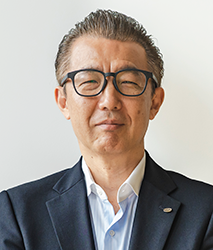
Yamanobe Atsushi
H.I.S. CO., LTD. Director HIS JAPAN President
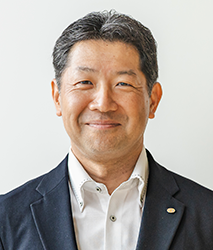
Facilitator : Mabuchi Ryoma
H.I.S. CO., LTD.
Corporate Sales Division, Regional Revitalization Group
Joined HIS in 1997. After working in counter sales, human resources, and corporate and group sales, he served as Executive Director of a network for venture business owners. He has also been involved in initiatives to support overseas expansion and continues to support small and medium-sized enterprises. Currently, as a key figure in regional revitalization efforts, he is leading the collaboration between SATOYUME and HIS. He is focused on providing hands-on support for the creation of new businesses.
*The content of this article is accurate as of the time of the interview.
Moving Beyond a Fleeting Craze: Obstacles to Regional Revitalization
Mabuchi: This is our first topic. Many local governments are currently promoting the creation of a "relational population," but in many cases, this ends up being little more than a passing trend. What do you feel are the biggest challenges and obstacles in regional revitalization?
Yamanobe: The biggest issue is that we haven't established a system that can be sustained over the long term. From a travel agency's perspective, our job has typically been to create tours and send customers to a destination. But we often do this without stopping to ask why people weren't visiting that region in the first place, or what the underlying situation actually is.
Because we haven't tackled the root causes, our efforts might generate short-term buzz, but they eventually fizzle out. Then we just move on to the next region--a cycle we've repeated time and again. Ultimately, instead of fixing the core problem, we've been offering superficial solutions that don't address the root causes.
Mabuchi: So, the lack of a sustainable business model is one of the main obstacles, then. How does CEO Shimada view this challenge?
Shimada: At SATOYUME, our mission is "Shaping the Dreams of Our Hometowns." We are currently working with around 50 communities across Japan, but the challenges these regions face are endless. Solving one problem often just reveals another, so tackling problems one by one only goes so far.
That is why our approach focuses on increasing the number of people who view a community as their own "hometown." When people form a deep attachment to a place and take pride in it, action happens naturally--whether that's organizing local events, picking up trash, or checking in on elderly neighbors. As a result, local issues begin to resolve themselves organically. I believe this sense of pride and attachment in one's "hometown" is the true key to long-term sustainability.
Combining SATOYUME's Deep Local Presence with HIS's Power to Move People
Mabuchi: What kind of new synergy do you expect to see in these communities from the collaboration between SATOYUME and HIS?
Shimada: Since Satoyume is a relatively small organization with about 50 team members, there are natural limits to how many communities we can support and how deep our reach can go. That is where HIS has been an incredible partner in helping us realize our mission and vision. Not only are they dispatching staff to work alongside us in these communities, but they are also helping drive guest traffic to Satoyume-run hotels.
Yamanobe: Getting people to visit the area, showcasing the region's charm, and revitalizing local industries--that is the very essence of the travel industry. So, while we always wanted to take on this kind of deep community work ourselves, we felt we lacked the specialized know-how. That's when we learned about SATOYUME, and we were amazed to see how deeply they had immersed themselves in the community and successfully built sustainable businesses around it. We rely on SATOYUME to uncover local charm and tackle regional issues, while HIS manages overall coordination, networking, and financial support. I believe the real synergy is yet to come, and I'm looking forward to what lies ahead.
Mabuchi: HIS is currently shifting its focus from traditional travel agency services toward creating experiential value. In that context, what motivated the decision to step forward and launch the "Destination Create Project--New Destination Creation Initiative" (DCP)--an initiative to actively create new destinations yourselves?
Yamanobe: I realized that, somewhere along the line, travel agencies had become consumers of local charm rather than contributors to the community. Of course, bringing joy to our customers is crucial, but I also wanted our employees to regain their pride--to remember that travel, in its true sense, is a deeply rewarding and meaningful business. I see this as directly linked to the HIS Group's purpose: "KOKORO ODORU"(Unleash the Excitement)
"A Tiered Approach" to Fostering Community Self-Sufficiency
Mabuchi: How can we move beyond seeing tourism as mere sightseeing, and instead connect it to local economic development so that communities can generate revenue and become truly self-sustaining?
Shimada: Something I realized through Satoyume's "Ensenmarugoto Hotel" project is that it's essential to build a business's elements systematically, layer by layer from the ground up. It took four years from the initial concept to the grand opening. During that time, we created a vision to connect local communities along the railway line, built an audience through social media, and established the "Ensenmarugoto Lab"--a hub for generating ideas with residents--to develop local content. Once the content was ready, we arranged mobility options such as electric tuk-tuk and electric bicycle rentals, and finally, the facility was completed. I believe the reason for our success was that we carefully built up each layer of the business step by step. At DCP as well, I intend to carefully and meticulously build up these business layers to drive community development.
Yamanobe: When I first visited Okutama for the "Ensenmarugoto Hotel" project, I saw how close Mr. Shimada was with the owner of a local curry shop--and how they genuinely cared for one another--and I felt, 'These people are truly committed to the community.' It's the kind of relationship we could never have built just by organizing a tour, and their dedication to revitalizing the community from the ground up really struck a chord with me and left a lasting impression.
From Consumers to "Co-Creators": Fostering a Sense of Belonging and Pride in the Community
Mabuchi: Here's my next question. Could you share your thoughts on what systems are needed to transform people with ties to the region from simple "fans" into "business partners" and "co-creators" who support the local economy?
Shimada: Urban and regional areas should not have a relationship of "giver and receiver", but they should rather stand on equal footing. Local residents need an open stance to welcome outsiders as fellow villagers or townspeople, while visitors from outside should adopt a mindset of truly being part of the community.
To foster this, Kosuge Village created a "Fractional Villager System," recognizing people who actively engage with the village--even if they don't live there--as "Half-Villagers" (1/2 Villagers), complete with a virtual residency card and point reward system.
Today, the village--with a local population of under 700--has built a relational population of around 5,000 people. Our focus is on nurturing a genuine sense of love, connection, and pride for the region among people from the outside.
Shimada: Every time I meet the HIS staff member who joined us at DCP, they feel more and more like a true local, organizing all kinds of tours and events. What impressed me most was their creativity--they don't just show people what the area has to offer; they add a clever twist to make it exciting. For example, there's a beautiful river called the Kuma River in Kuma Village, Kumamoto Prefecture. When they organized an event to promote the river's appeal, they held a "duck race" using small rubber bath ducks. If the river were just shown as it is, people wouldn't pay much attention, but when lots of ducks are floating down the river, it makes for great photos and draws attention to the river's beauty. That was an idea we never would have thought of ourselves.
The Thrilling Allure of the Unknown: The "New Shapes of Travel in Japan" Both Companies Aim to Create
Mabuchi: Finally, What "future of travel in Japan" does DCP hope to shape?
Yamanobe: Right now, our approach is to uncover appealing aspects of a region that even the locals might not know about, introduce them, and encourage people to visit. In the future, however, I hope travel itself will naturally evolve into a style where travelers actively seek out a destination's hidden gems--whether that means traveling specifically to discover the unknown or engaging deeply with local communities. I believe DCP's true evolution lies in transforming both the role of local communities and the way people travel.
Shimada: In today's world, I believe what people are most interested in is themselves. They're interested because they don't fully understand themselves yet, and they're searching for richer ways to live and work. That's why I want to work alongside local communities to build a style of tourism where travelers can "experience a way of life and shape their own."
Yamanobe: I think it would be fascinating if, by collaborating with SATOYUME--a company that truly engages with local communities with sincerity--all of Japan were to become bustling with vibrant travelers and the people who support them. Just as HIS once sparked an overseas travel boom with its low-cost airfares, DCP also aims to generate a similar new wave. Eventually, we hope regions will be able to sustain themselves independently, even without HIS or SATOYUME. I believe that is the ultimate goal we should be striving for.
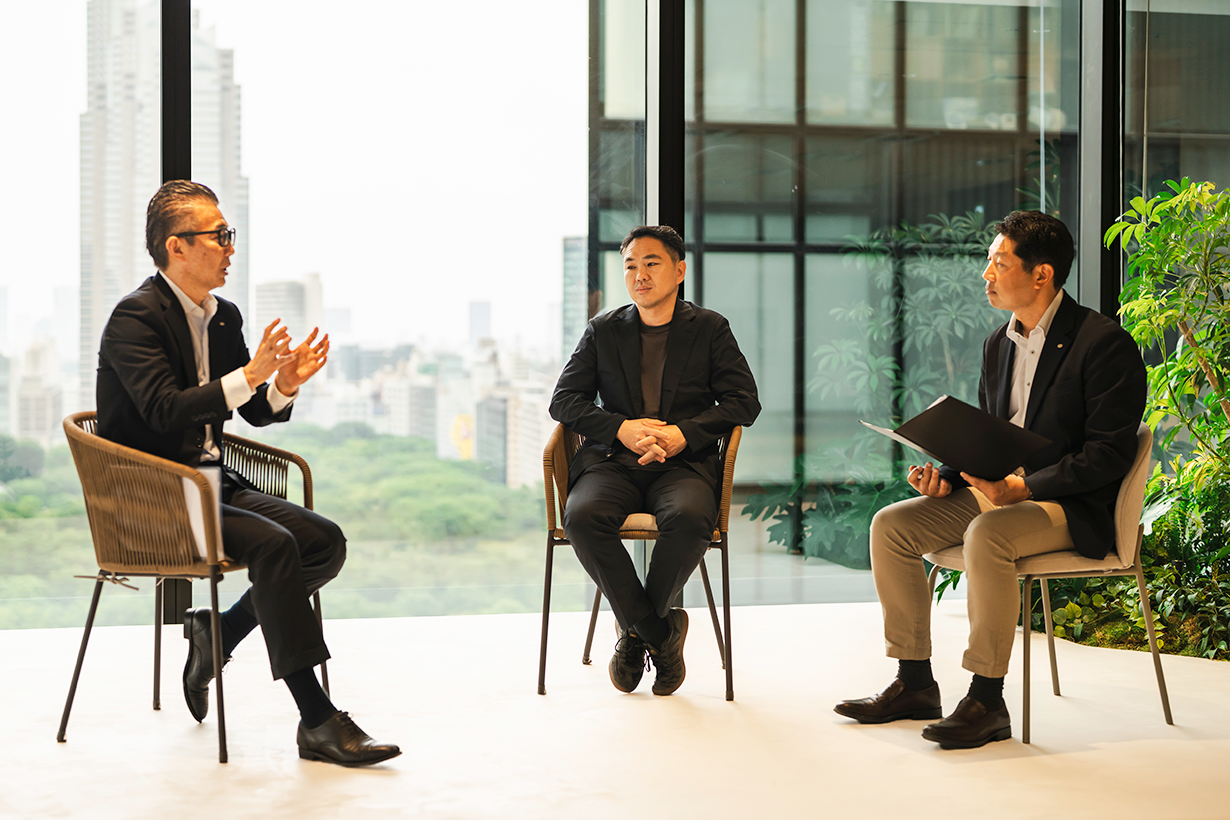
Mabuchi: Hearing about where the future of travel in Japan is headed was incredibly exciting--both as an employee and as a big supporter of Satoyume. Thank you both so much for your time today.