

Building Schools in Cambodia: Sustainable Educational Support for Children and Transforming Lives through Study Tours
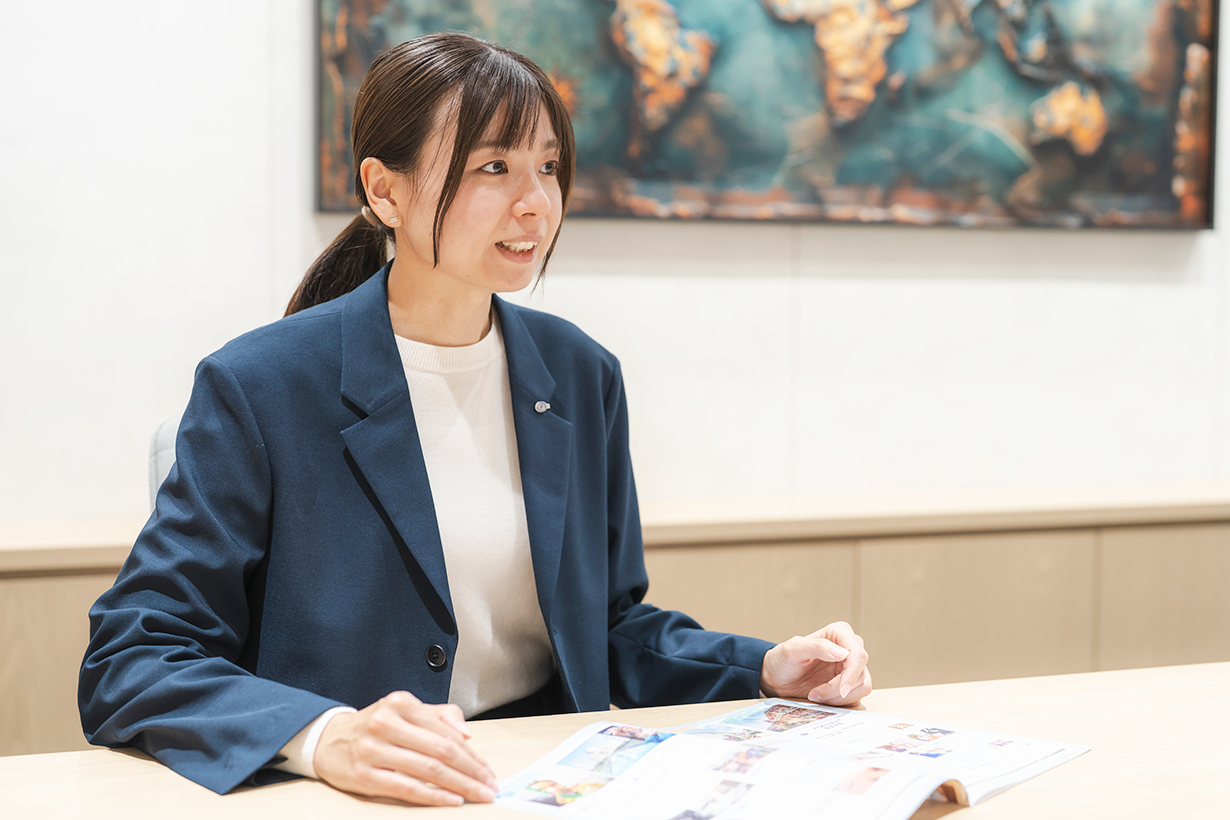
The "Cambodia Primary School Construction Volunteer Tour" is an HIS study tour that goes beyond traditional sightseeing, aiming to help participants learn about local circumstances and challenges. Running for 10 years since 2017, this program allows participants to work alongside locals to build schools for Cambodian children who struggle to stay in school due to educational disparities and historical factors. We spoke with Morita Saki from the Study Tour Desk about this initiative.
First, could you tell us about the "Cambodia Primary School Construction Volunteer Tour" and what sparked its creation?
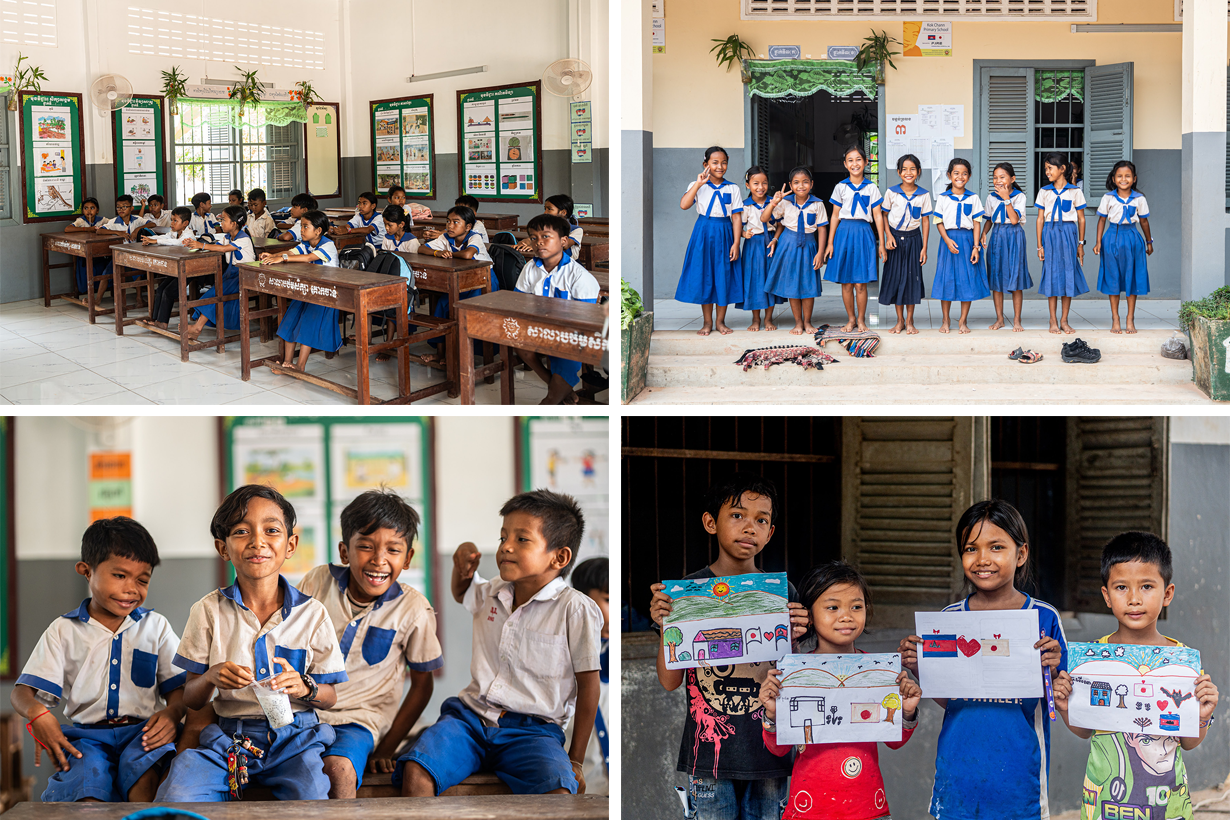
This study tour involves participants collaborating with local residents to build schools in rural Cambodia. Now in its 10th year, participants join during the construction phase to help with tasks like laying bricks, pouring concrete, or painting. The program also includes visits to schools built in the past to interact with students and conduct extracurricular classes focused on emotional and character building.
The idea originated from the high demand for volunteer tours at Cambodian orphanages. However, we recognized that many children in rural areas couldn't attend school due to poverty and a lack of facilities. Seeking to create a new initiative to address these issues, we partnered with HERO, an NPO with a proven track record in school construction. Our core philosophy is not just to build a school and leave, but to provide continuous support so children can keep attending and teachers can continue to learn.
What are the specific educational challenges and the Inequality between urban and rural areas in Cambodia?
Cambodia's education system faces complex issues rooted in its historical background and economic conditions. While compulsory education lasts nine years and public primary school enrollment has reached 95%, the completion rate remains low, especially in rural areas. In cities, going to university is common, but in rural villages, children often drop out because they are needed for farm work or because the school is too far away. The legacy of the Pol Pot regime 50 years ago looms large. Back then, education was rejected as a source of inequality, and intellectuals were massacred. Because survivors of that era are now parents, many prioritize household labor over studying to secure better employment. Additionally, there is a shortage of schools and teachers, leading to a "two-shift" system (morning and afternoon classes) that prevents full-day learning. The curriculum often focuses on rote memorization, lacking facilities for classes like science experiments or arts and physical education. Finally, because intellectuals were purged in the past, few people aspire to be teachers today. Low salaries force many into side jobs, resulting in inconsistent teaching quality and commitment.
What kind of feedback have you received from tour participants?
Many participants arrive with the preconception of "helping those in a pitiful situation," only to find that narrative completely overturned. We often hear things like, "I thought they'd be in an unhappy situation in need of support, but in fact they were so cheerful they ended up giving me energy." While Japan is economically privileged, seeing the warmth and smiles of the Cambodian people serves as a powerful catalyst for our participants to re-evaluate their own lives and their definition of happiness. Parents who participate with their children are often moved to see how quickly kids start playing together despite the language barrier. One parent shared, "When my child learns about Cambodia in school later, they will definitely remember this experience. I realized the importance of experiencing a place firsthand before learning about it in a textbook." Regarding demographics, university students made up about 80% of participants before the pandemic. Since then, the diversity of our groups has grown, with working professionals and seniors now making up about half of the participants. Also, a notable trend for this specific Cambodia tour is the high number of women participating solo.
Are there any specific challenges you've faced with the tour?
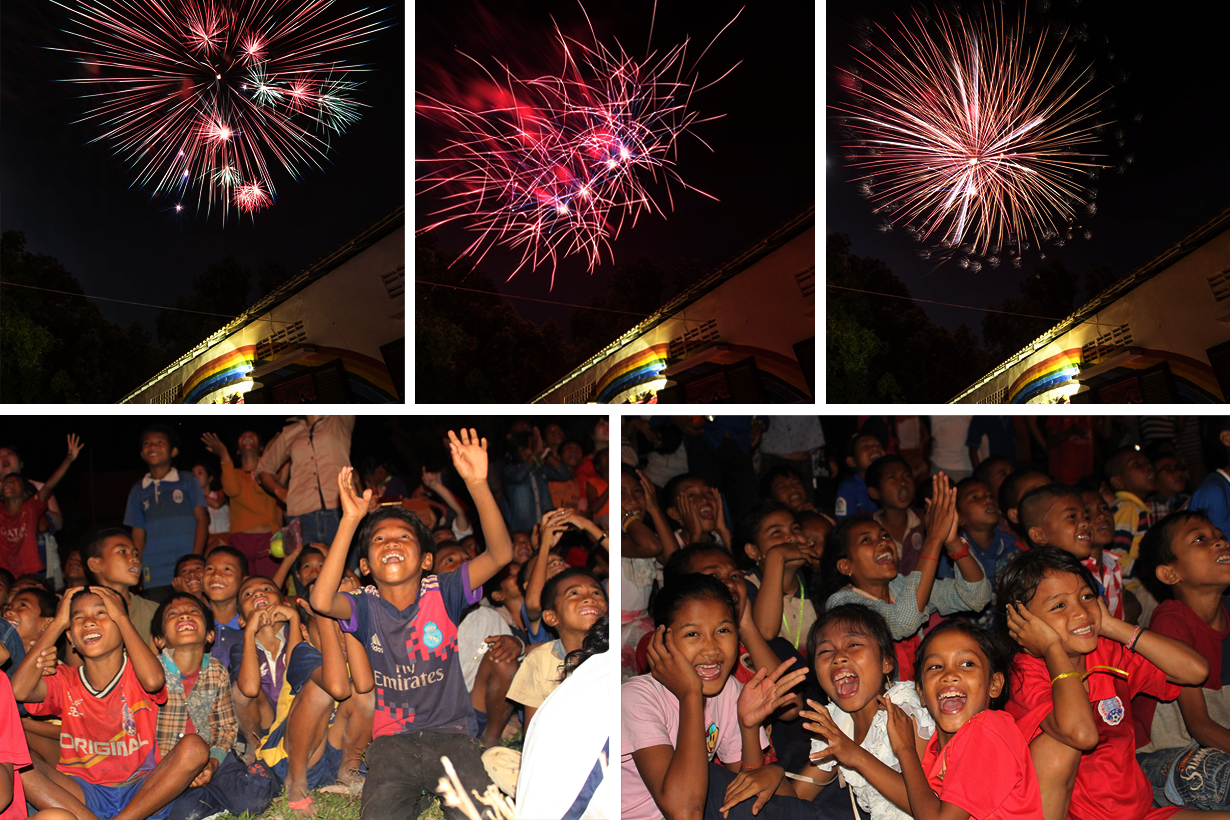
One story that stands out is when we organized a fireworks display to entertain the local children. We brought in a Japanese pyrotechnician, but for safety regulations, we couldn't transport gunpowder internationally. We had to source the fireworks locally, which proved difficult as they weren't available in the rural village where the school is located. We eventually had to arrange for them to be transported by land from a neighboring country. The costs and logistics were far beyond our expectations. Coordinating with the pyrotechnician to secure a large enough site and meet safety requirements took many rounds of intense adjustment, but we eventually made it happen.
What do you hope to achieve with this project in the future?
Our primary goal is to sustain our current mission of supporting school construction in Cambodia. Many regions still face a shortage of schools, and challenges regarding the quality and level of education, so we want to continue raising awareness of these realities. Looking ahead, we hope to encourage participants not just to visit once, but to return as life-long supporters--witnessing firsthand how the schools, the villages, and the children grow and change over the years. And I would love to try organizing another major event for the local children, much like the fireworks display.
Also, as a new challenge, we are planning "Light Sustainable Tours" for working women. The beauty of these study tours lies in the "new insights" participants gain by exchanging perspectives during group discussions. However, since full-scale study tours can often feel like a high barrier to entry, we want to create options where people can enjoy a resort vacation while also learning about social and environmental issues--for example, visiting a school in Bali known for its pioneering environmental initiatives. Since vacation time is a precious commodity for working professionals, our goal is to provide tours where people feel they "learned something good and did something good," ultimately leaving a positive impact on their lives.
Cambodia Primary School Construction Volunteer Tour
https://study.his-j.com/LP/cam/
Awards: 2019 Japan Tourism Award, 2023 JATA SDGs Award Grand Prix
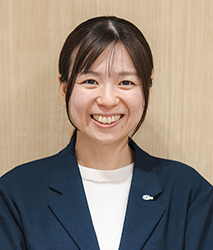
Morita Saki
H.I.S. Co., Ltd.
Study Tour Desk
Joined in 2013. Previously handled trekking and overseas volunteer tours at the Eco Study Tour Desk. Since 2015, she has been in charge of planning and development at the dedicated Study Tour Desk.
*The content of the article is as of the time of the interview.