

Certified as the Guinness World Record™ Holder for the "Most Brand-Themed Room Sponsorships in a Hotel Chain": Henn na Hotel's Unique Strategy of Transforming the Stay into the Primary Purpose of Travel
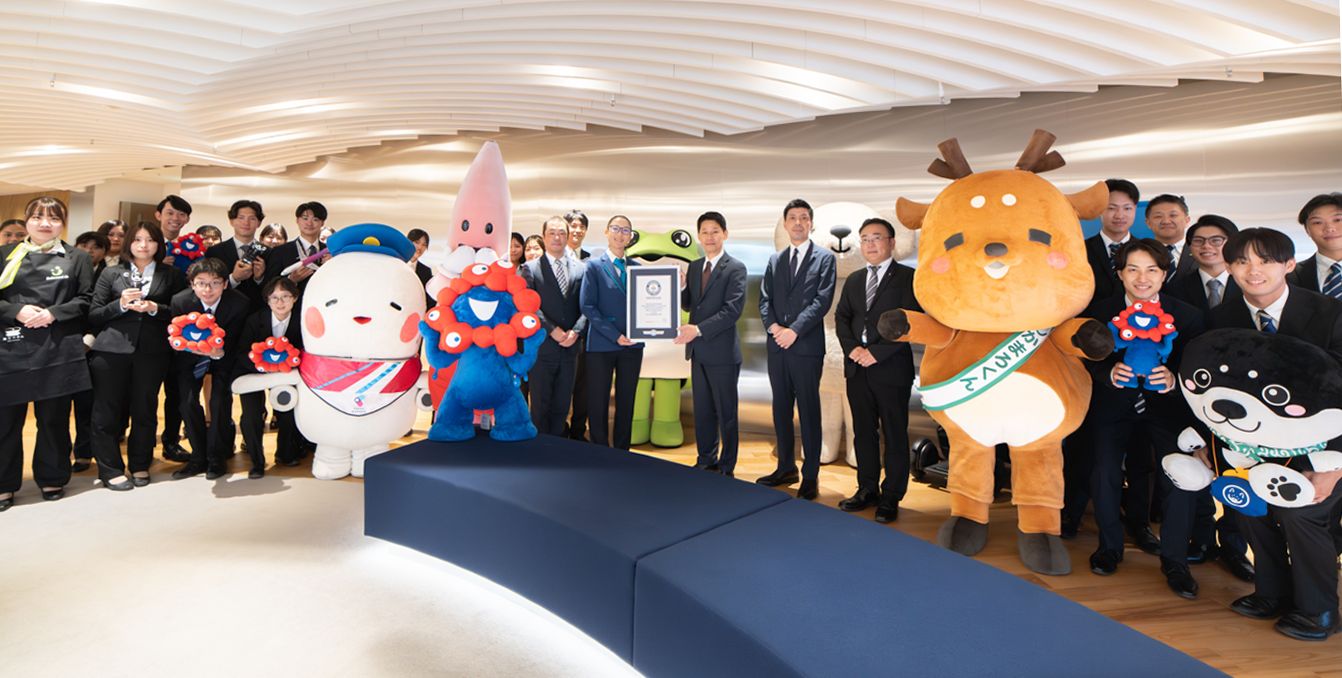
Henna Hotel, operated by HIS Hotel Holdings, was certified by Guinness World Records™ in September 2025 as the hotel with the most collaboration rooms in the world, under the title "Most brand-themed room sponsorships in a hotel chain."(Friday, September 19, 2025 / 44 types of collaboration rooms)
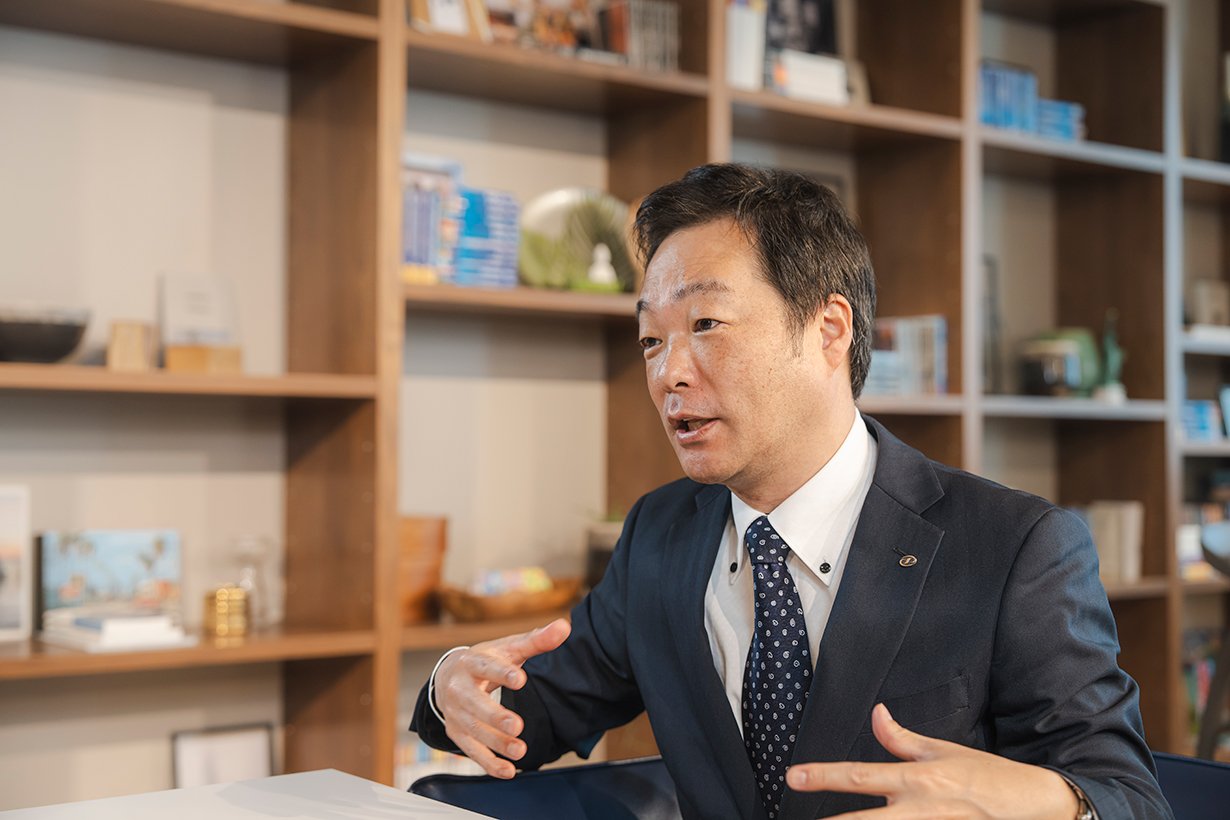
The "collaboration rooms" are consistent with the hotel's policy of "A hotel that promises to keep changing," offering excitement and emotional experiences to guests. We interviewed Endo Masami of HIS Hotel Holdings about this unique concept room strategy that transforms accommodation into the "primary purpose of travel."
Could you share with us why you started the collaboration rooms and your primary objective in doing so?
The spread of the novel coronavirus cast a serious shadow over the hotel industry, alongside the travel industry, putting us in an unprecedented predicament. Additionally, ensuring stable customer attraction had long been a challenge for us, a latecomer compared to major hotel chains. To overcome this adversity, it became urgent to create a hotel that could acquire "topicality that remains in the memory of guests" and "strong customer support."
This challenge is also related to fulfilling "A hotel that promises to keep changing," the policy of Henna Hotel, and pursuing the five core values we advocate: "Connectivity", "Comfort", "Advancement", "Playfulness", and "Productivity."
Furthermore, as a member of the HIS Group, we strongly desired to "allow guests to enjoy the stay itself" by providing content that can be called "one-of-a-kind" and "number one." The first step towards achieving this was the planning and promotion of "concept rooms," which later evolved into "collaboration rooms." Incidentally, a "concept room" is a room with a specific theme or storyline, while a "collaboration room" is a room themed around the unique world of anime, characters, brands, and other entities created through partnerships with various companies.
In July 2022, the "Dinosaur Room" was launched as the first collaboration room at "Henna Hotel Maihama Tokyo Bay" and "Henna Hotel Sendai Kokubuncho (now: Henna Hotel Premier Sendai Kokubuncho)." Currently, as of date, we have expanded to 52 types of collaboration rooms and 26 types of concept rooms nationwide, and our strategy is achieving significant results.
Could you tell us about your criteria for selecting collaborations, how you partner with other companies, and the overall process for moving these projects forward?
When selecting partners for collaboration, we place the highest priority on whether it meets customer needs and whether it can create an appeal that makes people think, "I want to stay at this hotel because of this." In most cases, the project is initiated by us approaching the companies. However, since the initiative was recognized and certified by Guinness World Records™, we are now receiving proposals from companies as well. The production process starts with approaching the company and discussing the design. In relatively fast cases, it can take one to one and a half months to start selling the rooms, but for collaboration rooms with major companies, the screening process can take time, with some cases taking three months or as long as a year and a half.
Among the many examples, could you share some of your most successful collaboration rooms and tell us about the 'added value' you aim to provide to your customers?
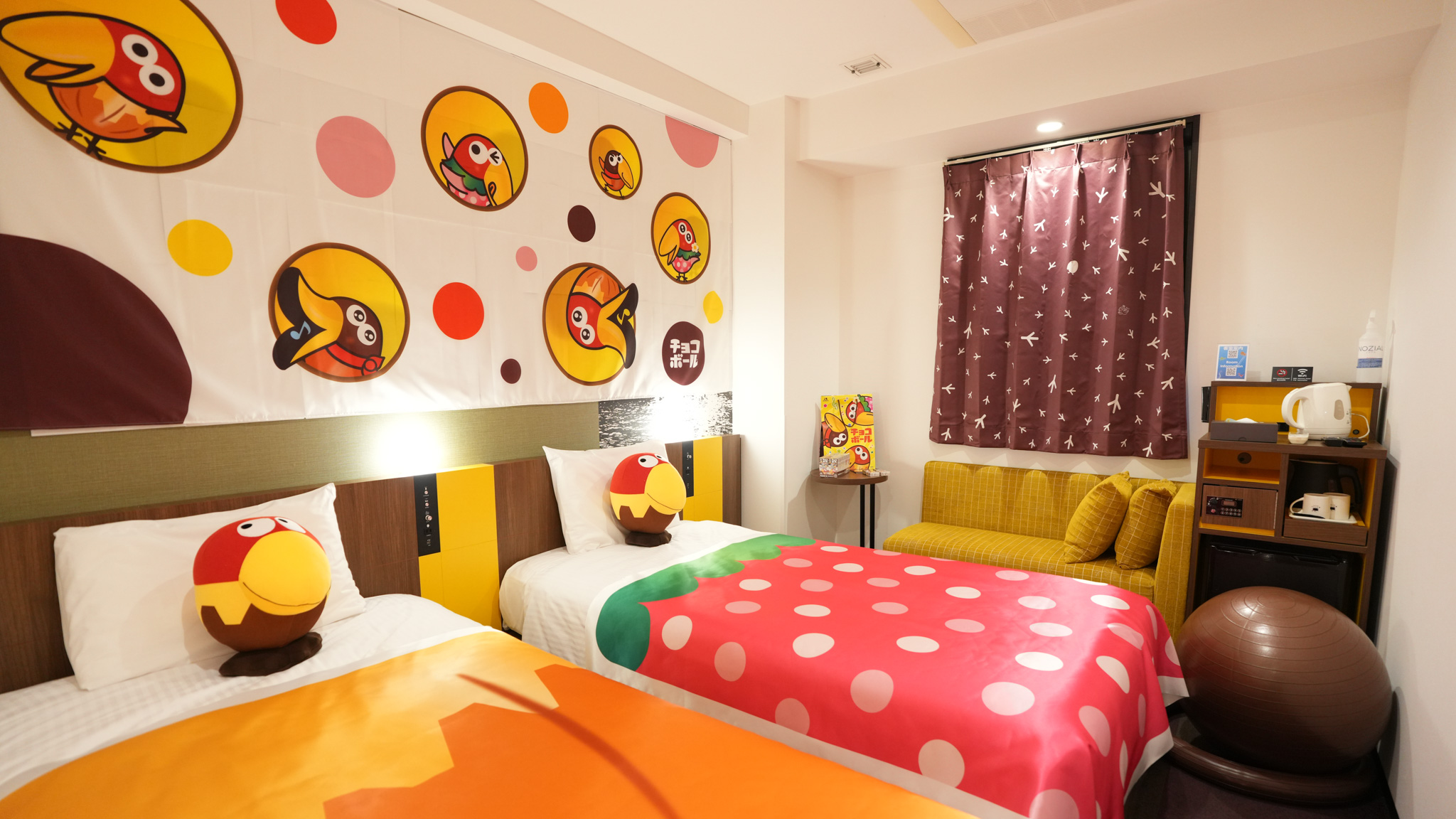
Beyond simply creating the world of the theme, we also incorporate opportunities for guests to widen their knowledge about the content during their stay. For example, in the "Chocoball Room," we provide guests with the opportunity to broaden their knowledge by learning about the history of Chocoball since its creation in the 1960s and experiencing its deliciousness and fun. Since Chocoball has a long history and strong branding, it took time to build the worldview, but as a result, it has earned strong support from the customers and has become one of the popular collaboration rooms. By elevating a mere stay into a "place of learning that satisfies intellectual curiosity," we aim to further deepen the guests' affection for the brand.
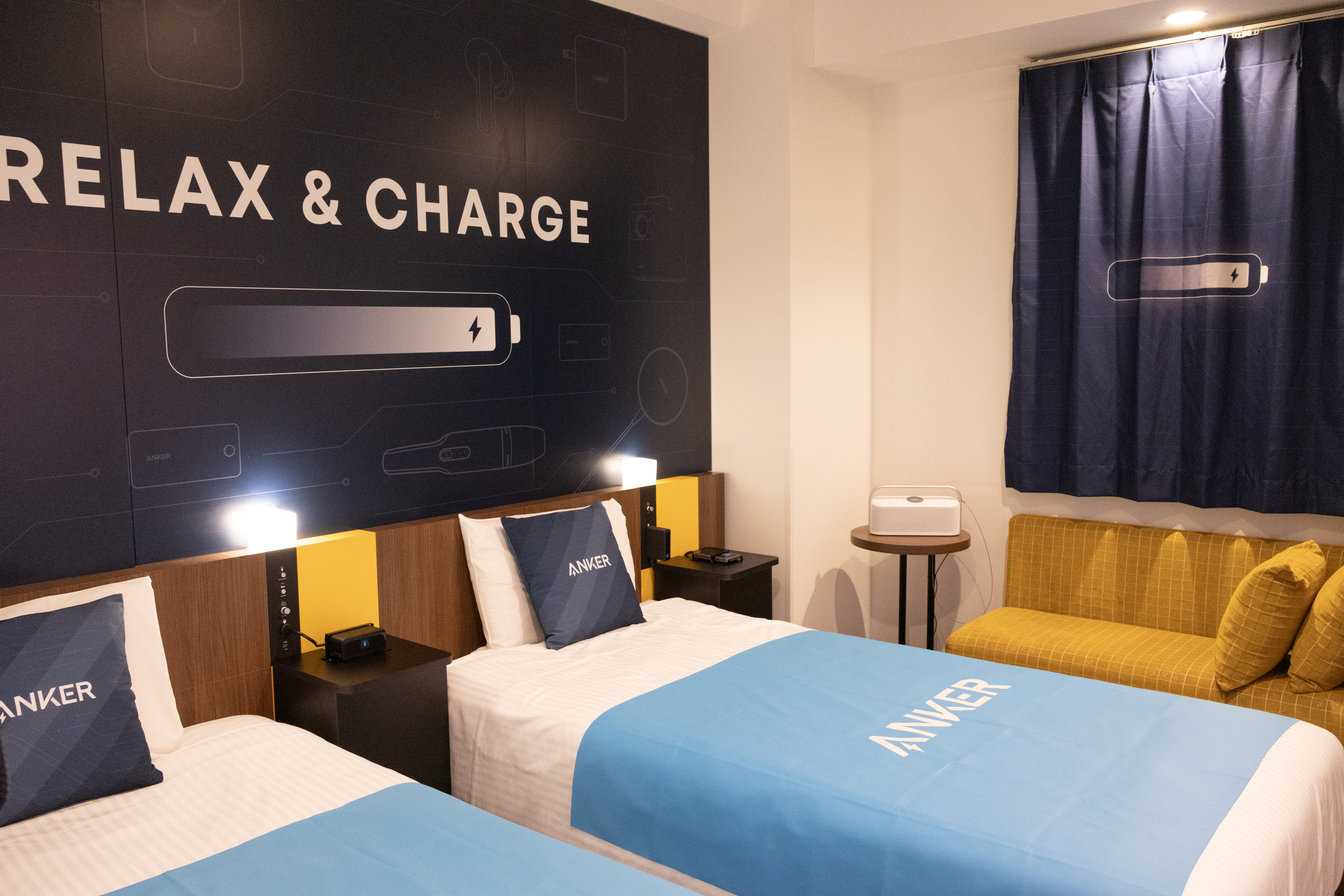
We also offer a new "trial-to-purchase" value proposition. For instance, in our 'Anker Room,' guests can try out the latest products and then purchase them at a discount using a special coupon provided as a staying benefit if they like the products. Numerous latest Anker group products are available in the room, and guests also receive the latest portable charger as a souvenir upon check-out. This "Stay-to-Purchase" model--which allows guests to fully experience and be convinced of a product's quality before purchasing--is a sustainable business model that benefits the guests, the partner companies, and the hotel alike. For our partners, this serves as a high-conversion promotional opportunity, and for us, it is a differentiating factor that enhances the added value of the guest rooms. We have expanded this 'souvenir-included' approach to many of our other collaboration rooms, and it has been very well received.
What kind of feedback or reactions have you received from guests who have stayed in these rooms?
We often receive reviews saying things like, "It was so much fun," and "It became a lifelong memory," and some guests even go as far as leaving handwritten messages for us in their rooms. Through these messages, we can truly feel the deep passion our guests have for the content, not to mention the joy of knowing they chose our hotel to spend such a meaningful moment in their lives.
For us, there is no greater joy than creating 'unforgettable experiences' for our guests. We believe this 'power of memory' is the core value that defines our hotel as a truly one-of-a-kind destination.
Regarding occupancy rates, they vary by season and room type due to our diverse collaborations. However, rooms featuring content with a strong core fan base, such as anime and idols, often become fully booked almost immediately upon release. We also sometimes offer upgrades to a collaboration room to guests who booked a standard room when there's a vacancy. Although collaboration rooms are about double the price of a standard room, many guests happily accept, saying, "Since we're here anyway, why not?" We view this as proof that customers recognize the value beyond the price, and we intend to actively introduce new types of content to further expand the possibilities of what a hotel can be.
How do you feel collaborations with local companies and facilities influence regional tourism promotion?
I believe collaboration with local companies contribute to the PR and economic effect of the region, becoming a primary reason for people to visit the area. For example, the "Samurai Room" (Henna Hotel Tokyo Asakusabashi, Henna Hotel Premier Tokyo Asakusa Tawaramachi) is a collaboration with Yoshitoku Co., Ltd., a doll company based in Taito Ward where the hotels are located. This project aims to boost the tourism industry and allow not only Japanese guests but also international visitors to easily enjoy Japanese traditional culture at the hotel. We believe that such initiatives could be the perfect catalyst to rediscover the history and charm of local companies and allow guests from afar to deeply understand the region.
Furthermore, as part of our commitment to local communities, we have been involved in recovery support for the Noto Peninsula Earthquake that occurred on January 1, 2024. Our support began with donations from the sales of 'Beaver,' a famous Hokuriku snack. This initiative led to a partnership with Hokuriku Seika, and in December 2024, we were able to launch the 'Beaver Room' at Henna Hotel Kanazawa Korinbo.
Even today, we continue to donate a portion of the revenue from the 'Beaver Room' to aid in the recovery efforts. We firmly believe in the importance of the hotel and the community working together, not only for the revitalization of the local economy but also for social contribution. Going forward, we aim to collaborate with more local companies and governments to establish these collaborations as key tourism resources in various regions, contributing to the overall appeal of Japan as a destination.
Could you share with us the impact of the collaboration room expansion on your business and your future outlook?
Currently, the total sales from all collaboration rooms have become a major revenue pillar, equivalent to the total sales of approximately one entire standard hotel. We believe this achievement proves that collaboration is not just about creating buzz but is a sustainable business model.
While we currently focus on the Japanese market, we are entering a phase of seriously exploring international sales strategies. However, the challenge is that overseas OTAs (Online Travel Agencies) primarily focus on selling rooms by type, such as twin or double, making it difficult to sell special rooms like our collaboration rooms.
We plan to discuss with various OTAs to establish new sales methods and channels that accurately convey the unique appeal of these rooms to international travelers.
Our ultimate goal is to provide the "best stay experience" through our collaboration rooms and to establish 'Henn na Hotel' worldwide as the leading name for collaborative stays. By 2027, we aim to expand our portfolio to 100 different types of collaboration and concept rooms. This target of 100 varieties symbolizes our commitment to continuous challenge and constant innovation. We are confident that by achieving this, we will solidify our position as a unique hotel brand, the likes of which cannot be found anywhere else in the world.
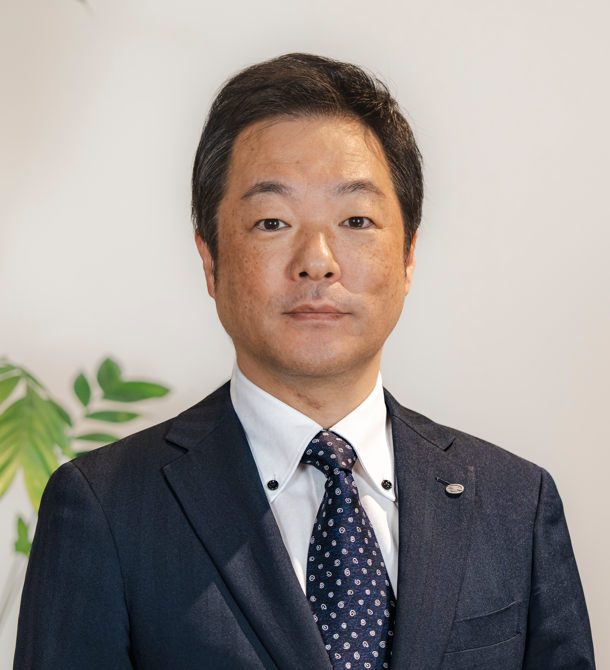
Endo Masami
H.I.S. Hotel Holdings Co., Ltd.
General Manager of Sales & Marketing Department,
Corporate Strategy Headquarters and General Manager of East Japan Business Department
and Okinawa Division, Hotel Business Headquarters
Joined the company in 2000. Throughout their career, they have held various roles, including sales consultant of HIS, media production, tour planning, and store development at the Tohoku/Niigata Business Division, they transitioned to promoting the inbound tourism business. Subsequently, seconded to SYS Co., Ltd. and at HIS Hotel Holdings, they were responsible for new hotel openings and later served as both sales manager and East Japan business manager.
*The content of the article is as of the time of the interview.